How AI Saved My Design Project from Total Chaos
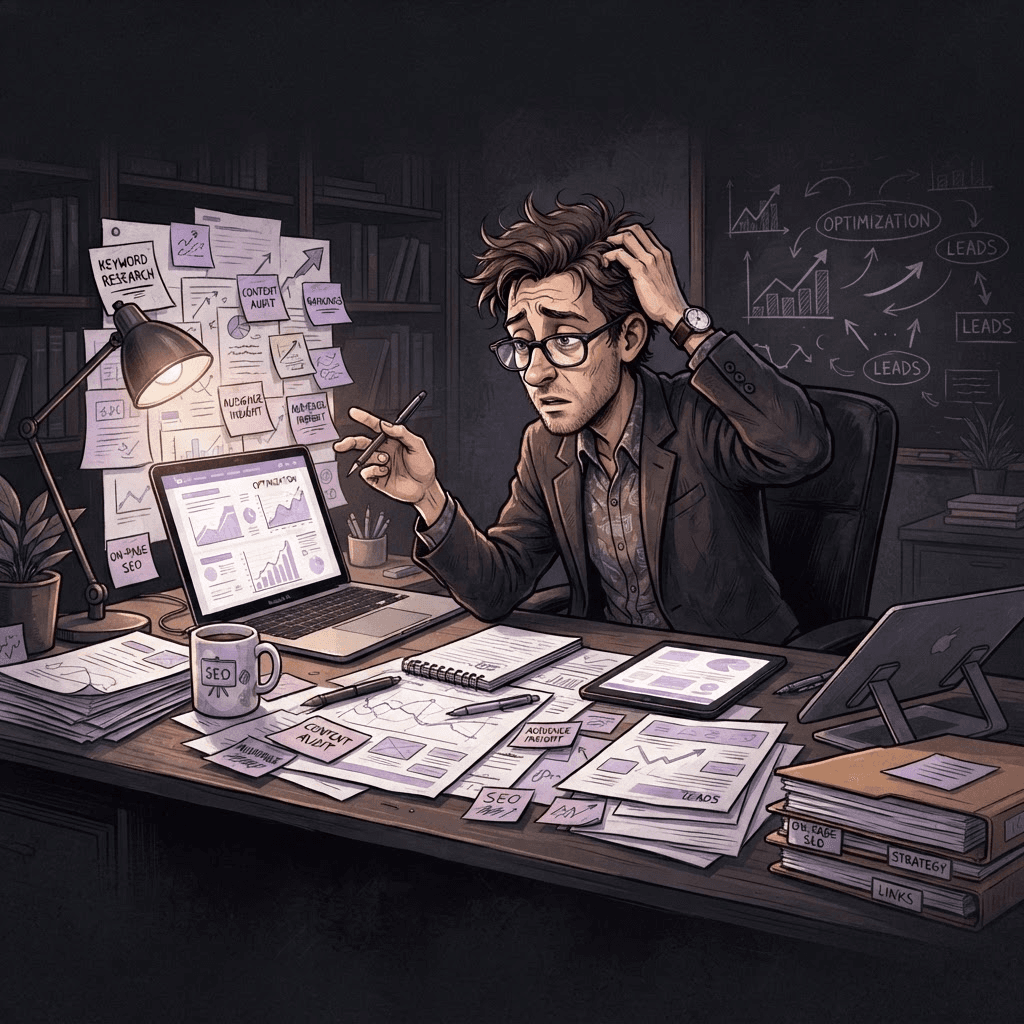
Discover how AI transformed my chaotic design project into a streamlined success, enhancing creativity and efficiency every step of the way.
Written by Logan
OptiLeads editorial guide · Human-first SEO
Logan writes from the messy middle: the experiments that flopped, the lessons that took too long to learn, and the practical fixes that finally held up.
What happened, summed up
I was knee-deep in a design project, juggling deadlines and client expectations, when everything spiraled out of control. Things got messy—not because of the client, but because I stubbornly missed out on using AI tools that could’ve streamlined the process. A chaotic mix of wrong fixes and last-minute changes had me questioning my sanity, not to mention my design skills.
Then it hit me
One late night, after a long day of fighting with a stubborn design element, I stared at my screen willing it to fix itself. I couldn't help but feel like I was trying to tame a wild raccoon with a toothpick. That’s when it dawned on me—maybe I wasn't the only one struggling to keep things organized. What if I let AI join the party instead?
Illustrative story: A not-so-simple fix
Okay, picture this: I'm sitting there, about three cups of coffee deep, wrestling with a design I thought I’d nailed. Client feedback came back—let's just say it was less than glowing. My first move? I tried to plaster on some flashy graphics, thinking it would distract from the overall chaos. Spoiler alert: It didn’t work.
After hours of flapping around like a fish out of water, I finally realized I was only making things worse. That design I was toying with? It was like I was trying to fix a leaky boat with bubblegum. Finally, in a moment of clarity (or maybe desperation), I decided to dive into some AI tools. I thought, “Why not let technology lend a hand?”
The practical fix
I turned to AI-driven design platforms that could help streamline the design process. Instead of manually tweaking every pixel, I let AI handle the repetitive tasks. This freed up my time to focus on more creative aspects. Tasks that took hours, like resizing graphics or even generating diverse color palettes, were done in seconds.
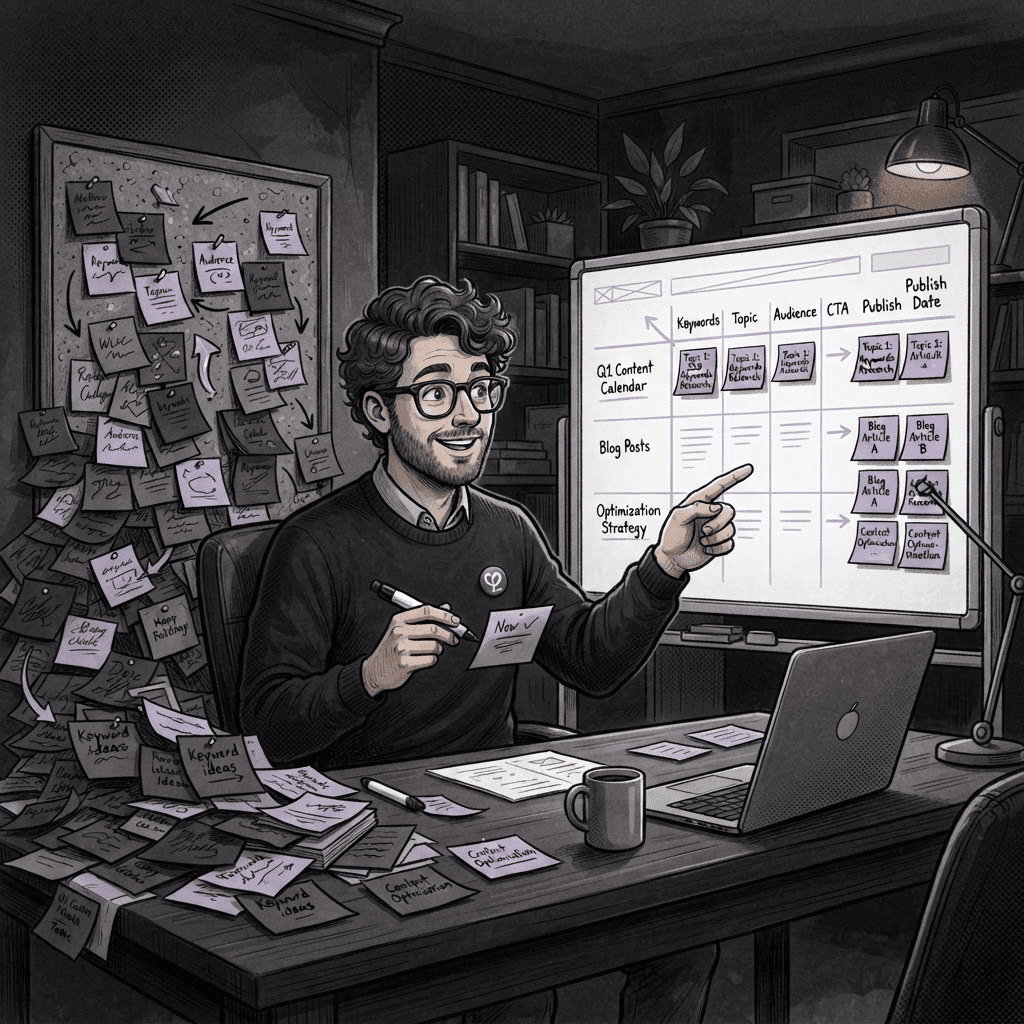
Adopting AI wasn’t just about saving time; it was also about reducing mistakes. The tool highlighted inconsistencies I would’ve missed. For instance, it flagged that my font choices clashed with accessibility standards (thank you, AI). Suddenly, the UI wasn’t just functional; it looked good, too.
Key takeaways
- AI can be your design assistant, handling repetitive tasks efficiently.
- Utilize AI tools to ensure best practices in design, like accessibility and consistent styling.
- Freeing up time lets you focus on creativity rather than chaos.
Final Thoughts
After embracing AI, the project ended up turning around—and my sanity stayed intact. Sure, it felt a bit like admitting I needed help, but the end result was worth it. Sometimes, it takes a chaotic stumble to finally see the value in tech. If you’re in a design rut, don’t hesitate to let AI come to your rescue.
FAQs
What specific AI tools can help web designers?
Consider platforms like Adobe Sensei, Canva’s AI features, or Figma’s plugins that simplify design tasks.
Will AI understand my unique design style?
Yes, many AI tools learn from your past work and adapt to reflect your style, making suggestions that align with your creative vision.
Is AI just a fad in design, or is it here to stay?
While trends come and go, AI is becoming increasingly embedded in design workflows—making it a smart investment for the future.

Tags