How I Unlocked Creativity with AI: My Design Journey
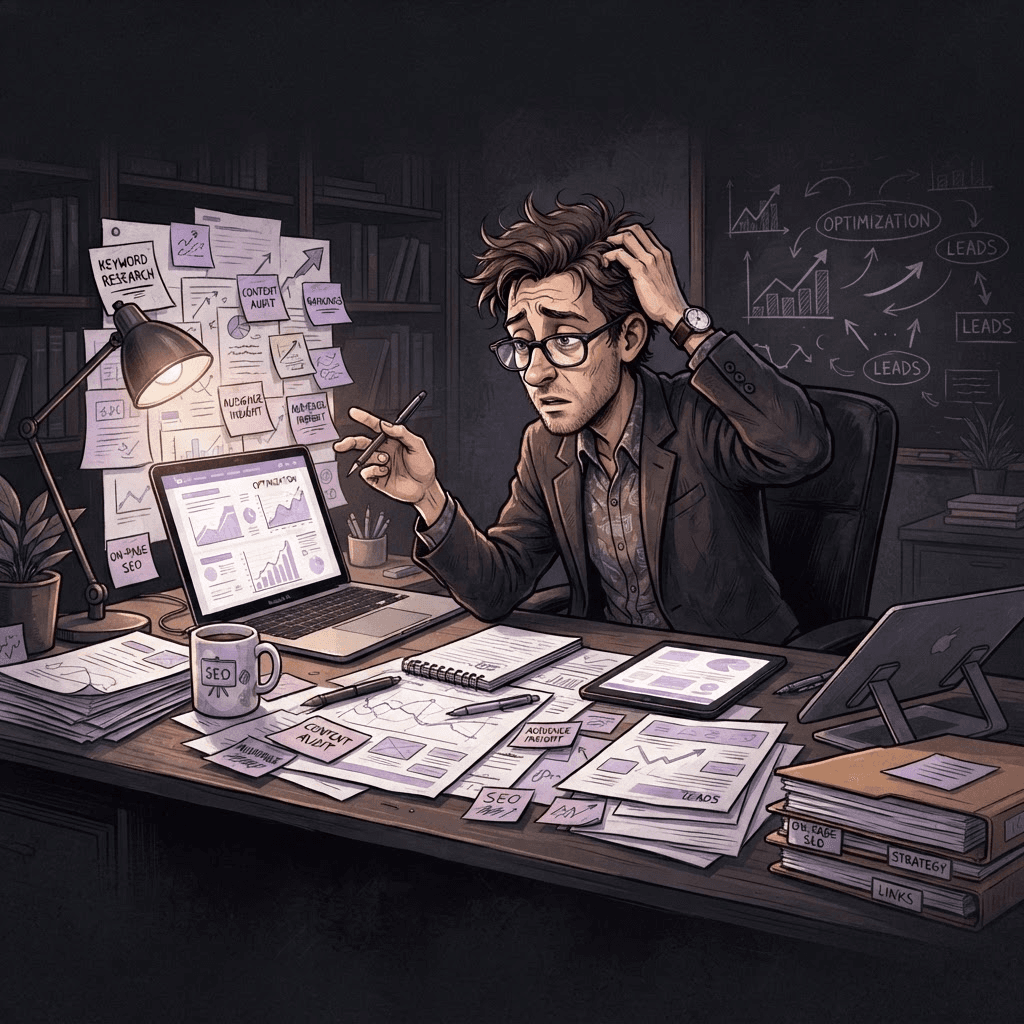
Discover how I harnessed AI to invigorate my design process, unlocking new levels of creativity and transforming my artistic journey.
Written by Logan
OptiLeads editorial guide · Human-first SEO
Logan writes from the messy middle: the experiments that flopped, the lessons that took too long to learn, and the practical fixes that finally held up.
What happened, summed up
Like many web designers, I thought I could outwit creative blocks with late-night brainstorming sessions and endless coffee. Spoiler: it didn’t work. The fix wasn’t plastering sticky notes around my wall or drowning in design videos—it turned out to be a surprising partner in crime: AI.
Then it hit me
I was sitting at my cluttered desk, staring at a blank screen, when I had a moment of clarity—or was it delirium? My cat, Muffin, strolled across the keyboard, and for a split second, I thought, "Maybe an algorithm could help me be more creative." I felt ridiculous even thinking about letting AI into my process, but what did I have to lose? After all, Muffin wasn’t exactly supplying groundbreaking design ideas.
Illustrative Story: My Stubborn Endeavor
In my stubbornness, I figured I’d tap into my “creative spirit” through traditional methods. I spent weeks experimenting with what I thought was my unique flair: sketching out ideas in my trusty notebook. I’d scribble, scratch out, and more often than not, toss the whole thing in frustration. Then, in a fit of desperation, I decided to mock up a design based on my sketches. Spoiler alert: it looked like a tornado had hit a color palette. I missed the critical detail: my own style was muddling the designs in incoherent chaos. I thought pure effort would yield results, and wow, was I wrong.
Every time I printed a draft, I realized I was forcing a vision that just wasn’t there. It was like trying to bake a cake without checking if I had any flour. My breakthrough came from a long chat on the web with a designer who swore by AI tools—not because they replaced hard work but because they enhanced it. So, I begrudgingly downloaded an AI design tool, half-expecting it to be a glorified coloring book.
Finding Balance with AI
To my surprise, using AI didn’t mean surrendering my creativity. It became a brainstorming partner. Instead of staring at a blank page, I fed this tool some rough ideas, and boom—it churned out new designs. Some were off-beat, but many sparked something worthwhile!
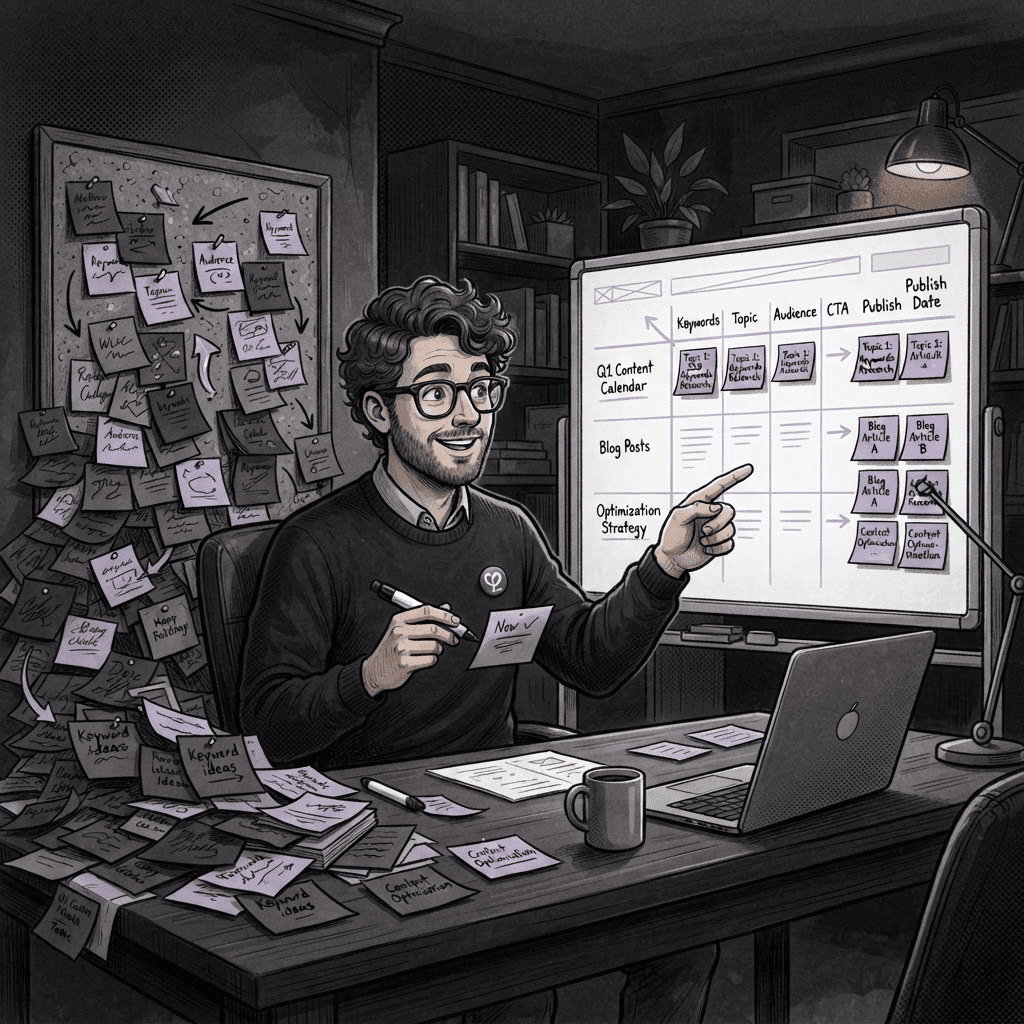
Practical Steps to Get Started
- Choose Your AI Tool: Look for AI design tools that suit your needs—think Canva’s Magic Write or Figma's AI plugins.
- Input Your Style: Next, share some of your previous designs or a description of your aesthetic. This will help the AI generate more relevant ideas.
- Collaborate, Don’t Replace: Use AI to generate ideas, then add your personal touch. Tweak what it produces, incorporating your unique flair.
- Iterate: Don’t be afraid to let the AI iterate on your revisions. It’s meant to be part of your design process, not a crutch.
Key Takeaway
AI isn’t about shortcutting your creativity; it’s a tool to guide it in new directions. Embracing this helped me unlock fresh perspectives that would’ve never come from my stubborn insistence on “doing it all myself.” A little help can go a long way.
FAQ
Is using AI in design cheating?
Not at all! It’s like having a brainstorming buddy. You’re still steering the creative ship; AI just helps you navigate better.
What if I'm not tech-savvy?
That’s the beauty of AI—it's user-friendly. Start simple, and most tools have tutorials to help you get grounded.
So, if you find yourself in a creative rut, consider giving AI a shot. Just remember, even the most innovative minds started somewhere—sometimes, with their cat walking across the keyboard.

Tags