I Tried an AI Tool for My Web Design—Here’s What Happened

Discover my firsthand experience using an AI tool for web design. Explore the benefits, challenges, and surprising outcomes I encountered along the way!
Written by Logan
OptiLeads editorial guide · Human-first SEO
Logan writes from the messy middle: the experiments that flopped, the lessons that took too long to learn, and the practical fixes that finally held up.
What happened, summed up
I tried an AI tool for my latest web design project, hoping it would save time and spark some creativity. Instead, I ended up in a tangled mess, frustrated by the rigid outputs. Spoiler alert: the fix was not simply “adjusting the settings.”
Then it hit me
It was about 3 AM, fueled by half a pizza and a questionable amount of coffee, when it dawned on me: I was treating this AI tool like it was a magic wand instead of a collaborator. I fought the urge to blame the software for my missteps, but alas, stubbornness has a way of kicking you when you’re already down.
The illustrative story: Learning the hard way
So, picture this: I was knee-deep in a project for a client who wanted a sleek landing page. I decided to whip out this new AI design tool, believing it would deliver stunning results without much input from me. Armed with optimism and a slight delusion of grandeur, I clicked a few buttons, and voilà! A layout emerged. But it was... bland, to say the least. As in, “Do I hear crickets?” kind of bland.
Thinking I could save the day, I manually cranked up the visual elements—bold colors, fancy fonts, and an overabundance of animations. I was convinced I’d turned that snooze-fest into a masterpiece. When I proudly presented it to the client, their face said it all. Spoiler: the client feedback was nothing short of awkward silence followed by, “Uh, it’s a bit much, don’t you think?”
Here’s the kicker: I had spent hours wrestling with the tool, trying to mold it into something it obviously wasn't designed to be. In my attempt to fix the blandness with an explosion of visual noise, I forgot that simplicity often reigns in design. The lesson? The tool is there to help, not to do all the heavy lifting. If you don't guide it with your input, you might just end up with a design that’s too far from what you envisioned.
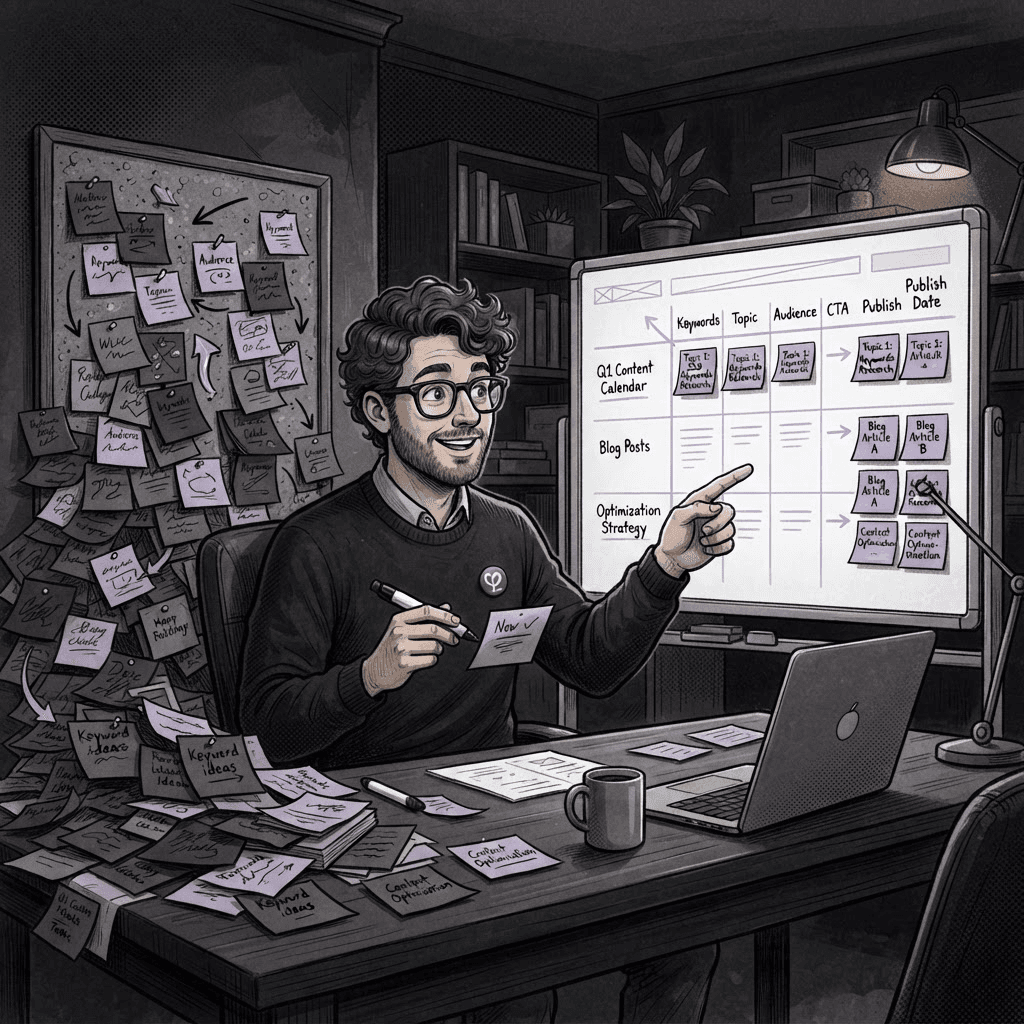
What I learned
When using AI tools for web design, remember they’re not mind readers. They need clear direction and context from you, the designer. Here’s a practical approach:
- Define your goals: Start with clear goals for the project. What is the core message? Who is the audience?
- Iterate and test: Use the AI as a jumping-off point, not as the final say. Create drafts and get feedback.
- Simplicity is key: Remember, less can be more. Refining designs often leads to better outcomes.
Key takeaway
AI tools can enhance your web design work—but only if you treat them as partners in creativity, not crutches. Own the process, keep it simple, and guide the tool, or you’ll end up buried in design regret.
FAQ
What type of projects are best suited for AI tools?
AI tools work best for projects with clear parameters, like landing pages and simple portfolios. The clearer your vision, the better the tool performs.
Can I completely rely on AI tools for web design?
Not really. Think of them as aids, not replacements. Your design intuition is irreplaceable!
How do I get started with an AI design tool?
Start small. Pick a simple project, define your goals, and play around with the tool’s output. Iterate and learn from the experience.

Tags