Transforming Ideas into Success: Inspiring Case Studies for Web Designers

Explore inspiring case studies that showcase how web designers turned creative ideas into successful projects, offering valuable insights for your own journey.
Written by Logan
OptiLeads editorial guide · Human-first SEO
Logan writes from the messy middle: the experiments that flopped, the lessons that took too long to learn, and the practical fixes that finally held up.
Transforming Ideas into Success: Inspiring Case Studies for Web Designers
In the fast-paced world of web design, creativity needs to be matched with strategic thinking for businesses to thrive. At OptiLeads, we believe in the power of transforming ideas into actionable results. This article explores inspiring case studies that highlight how innovative web designs have led to successful outcomes for agencies and clients alike. We’ll also provide practical tips to help you harness the lessons learned from these examples.
The Importance of User-Centric Design
One of the most vital aspects of web design is creating a user-centric experience. This approach not only improves engagement but also drives conversions. Let's take a look at a case study that illustrates how focusing on the user transformed the design and results.
Case Study: ACME Corp
ACME Corp, a B2B software provider, noticed a high bounce rate on their landing page. They decided to revamp the design with user input in mind. Here's how they did it:
- Conducted User Research: ACME conducted surveys and usability tests with existing customers to gather insights on user expectations.
- Streamlined Navigation: The design team focused on simplifying the site structure, eliminating dead ends, and ensuring essential information was easy to find.
- Responsive Design: Recognizing the increasing use of mobile devices, ACME adopted a fully responsive design approach.
As a result of these changes, ACME Corp saw a 40% decrease in bounce rate and a 25% increase in lead generation within three months. Here are some practical tips inspired by ACME's journey:
- Conduct regular user experience surveys to gather feedback.
- Test multiple navigation layouts to see which connects better with users.
- Always optimize for mobile, keeping in mind the growing trend of mobile usage.
Leveraging Visual Storytelling
Visual storytelling weaves a narrative through compelling images, videos, and graphics. This can not only enhance user engagement but also build a deeper emotional connection with the audience. Let’s explore a successful implementation of this concept.
Case Study: Luxe Interiors
Luxe Interiors, an interior design firm, aimed to create a stronger brand identity through their website. Their approach to web design focused on visual storytelling, showcasing their work effectively. Here's how they achieved this:
- High-Quality Imagery: Luxe invested in professional photography to present their projects authentically. Each image told a story of transformation.
- Incorporated Video Content: They added video testimonials from satisfied clients, which created a relatable narrative and showcased their services in action.
- Case Studies: Luxe featured detailed case studies that highlighted specific projects, from initial concepts to final reveals, demonstrating their problem-solving skills.
As a result of these changes, Luxe Interiors experienced a 60% increase in inquiries and a 35% rise in social media engagement. Here are some takeaways to implement visual storytelling effectively:
- Invest in high-quality visuals that reflect your brand.
- Utilize video to convey stories in a relatable manner.
- Incorporate case studies to illustrate your design process and successes.
Embracing SEO Best Practices
In the realm of web design, integrating SEO from the start ensures that you not only create visually appealing websites but also enhance visibility on search engines. A case study from a small agency shows the importance of this integration.
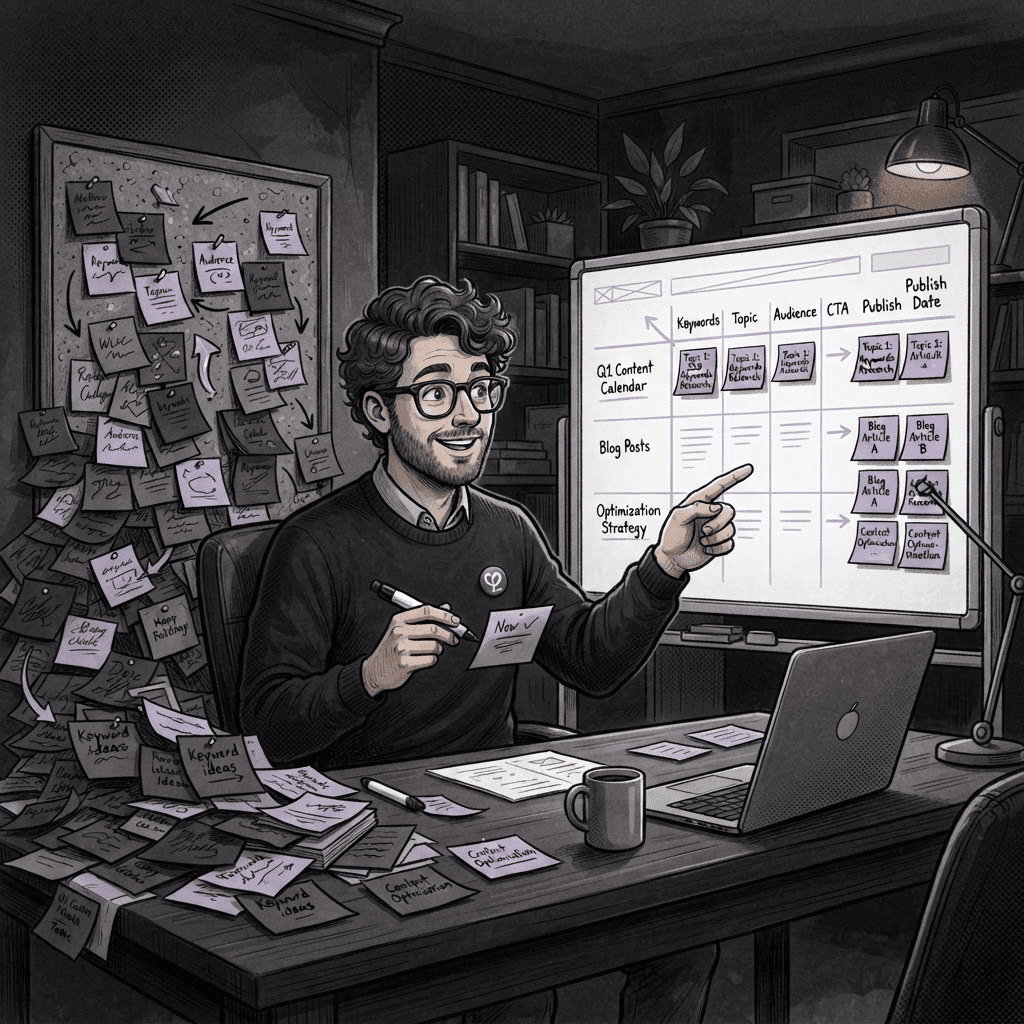
Case Study: Green Thumb Landscaping
Green Thumb Landscaping was struggling to get traction online. The agency took a comprehensive approach to integrate SEO into the design process. Here’s what they did:
- Keyword Research: They started by researching keywords that potential clients were searching for, specifically targeting local SEO.
- Optimized Content: Each page was optimized with relevant keywords, meta tags, and high-quality content that resonated with the target audience.
- Technical SEO Changes: Site speed and mobile-friendliness were prioritized, resulting in faster loading times and improved user experience.
By implementing these SEO practices, Green Thumb Landscaping saw an increase in organic traffic by 150% and ranked on the first page of Google for multiple local keywords within six months. Here are some actionable SEO tips:
- Conduct thorough keyword research tailored to your target audience.
- Regularly update content to maintain relevance and improve search rankings.
- Ensure your website is mobile-friendly and optimized for fast loading times.
The Role of Collaboration in Design Success
Collaboration between designers, developers, and clients can lead to exceptional results. A case study illustrates how effective communication can bridge gaps and enhance project success.
Case Study: Better Health Solutions
Better Health Solutions, a wellness startup, sought to create an informative and user-friendly website. They embraced a collaborative approach involving constant communication between their design team, content creators, and stakeholders. Here’s how it paid off:
- Workshops and Brainstorming Sessions: The team held regular workshops to gather diverse ideas and feedback, ensuring everyone was aligned with the inclusive vision for the site.
- Continuous Feedback Loop: They implemented a feedback loop between designers and healthcare professionals to ensure content accuracy and user experience.
- Agile Development Approach: Adopting an agile approach allowed them to adapt to changes and incorporate feedback quickly.
This collaborative effort resulted in a website that received positive feedback from users for its intuitive design and rich content. As a takeaway:
- Involve all stakeholders early in the design process to gather insights and expectations.
- Maintain an open communication channel throughout the project.
- Adopt agile methodologies to remain flexible and responsive to feedback.
Conclusion: Your Path to Success
Transforming ideas into successful web designs requires a blend of user-centric strategies, visual storytelling, SEO integration, and collaborative communication. The above case studies serve as reminders that success is not solely based on creative vision but also on practical application and feedback from real users.
At OptiLeads, we encourage web designers and agency owners to embrace these strategies, learn from these case studies, and remain adaptable in an ever-evolving digital landscape. By doing so, you’re not just creating websites; you’re building pathways for engaging and meaningful digital experiences that lead to lasting success.

Tags