When My Client's Site Tanked, Here’s What I Learned

Discover key insights and lessons learned when a client's website performance plummeted. Strategies to recover and improve online visibility await!
Written by Logan
OptiLeads editorial guide · Human-first SEO
Logan writes from the messy middle: the experiments that flopped, the lessons that took too long to learn, and the practical fixes that finally held up.
What happened, summed up
Client's site took a nosedive—traffic plummeted, conversions tanked, and panic set in. Spoiler alert: the fix was not a shiny new redesign or reworking the SEO keywords. Sometimes, it’s all about the basics.
Then it hit me
It was 2 AM, thumb-deep in my favorite snack, scrolling through metrics that looked like a sad rollercoaster. I realized I’d been so focused on the outer shine—like tweaking colors and button placements—that I’d overlooked the underlying structure. The pit in my stomach grew. Stubborn me had been all about aesthetics, neglecting the nitty-gritty.
Illustrative story: The Stubborn Redesign
Picture this: I had a client with a well-designed site but a dwindling user base. I thought, "New visuals might bring 'em back!" So, I redesigned the homepage, poured in hours of late-night creativity, made it *gorgeous*—and promptly watched the traffic drop even further.
What did I miss? The site wasn’t loading fast enough. Turns out, I had crammed in more images than a wedding scrapbook and didn’t optimize any of them. Customers don’t take a detour through art galleries when they’re just hoping to buy a sandwich online.
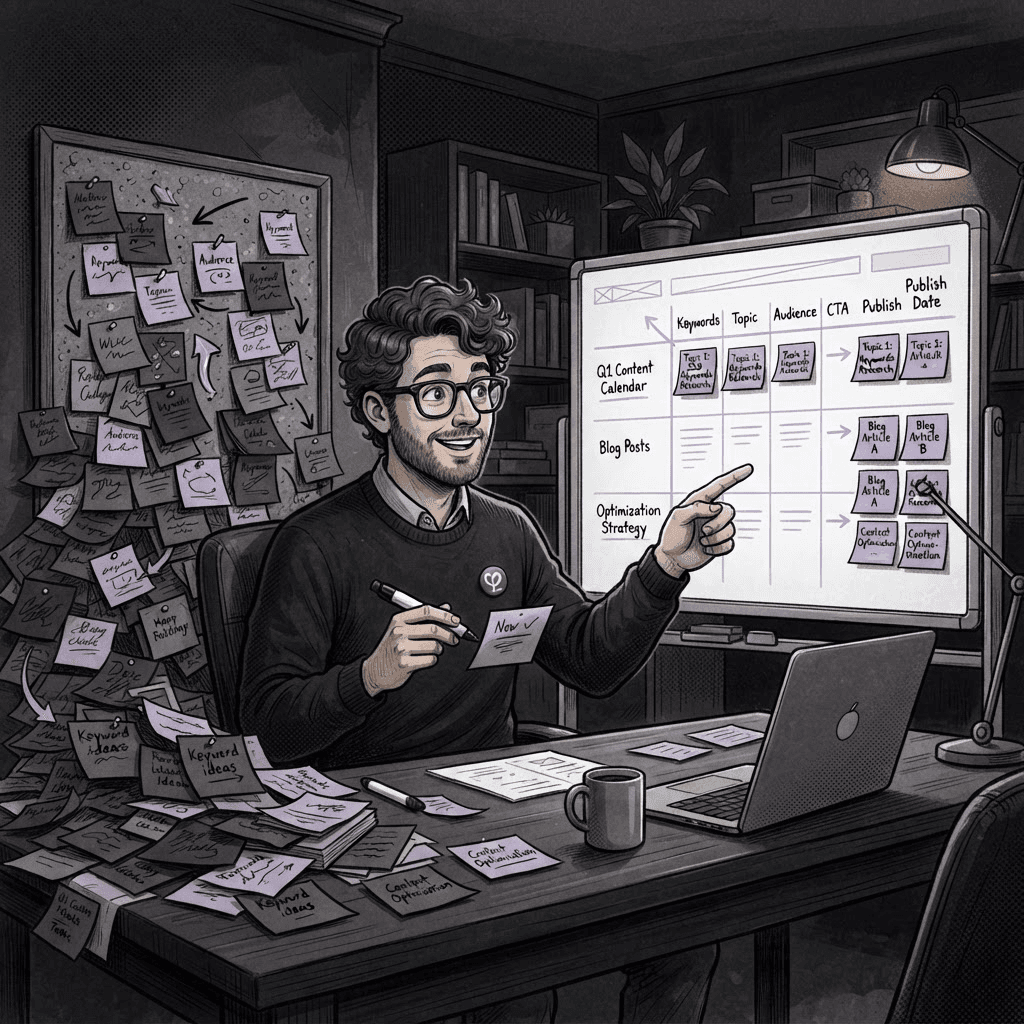
After seeing that traffic dip in real-time, I decided to dig deeper. I ran a couple of speed tests and—surprise!—my site was slower than a turtle on a rainy day. The heat map showed users bouncing back faster than I'd bounce a stubborn cat off my keyboard.
The takeaway? Before diving into a fancy new design, check performance basics. Make sure your clients’ sites load quickly and don’t make them feel like they’re in a time warp. I ended up reducing image sizes, leveraging lazy loading, and optimizing the code. This didn’t just fix the loading time; it got our traffic climbing back up, teaching me to value speed over shiny.
Key takeaway
Prioritize site speed and user experience before aesthetics. A beautiful site is useless if it’s slower than a dial-up connection.
Final thoughts
In the world of web design, it’s easy to get caught up in the look of things. But don’t overlook the essentials. Like a well-balanced meal, a successful site needs all components working together. And don’t be afraid to admit when you’ve missed the mark—there’s always something to learn, even at 2 AM with a snack in tow.

Tags