Why My Best Clients Came from a Simple Side Project

Discover how a simple side project transformed my client base, leading to valuable connections and new opportunities in this insightful article.
Written by Logan
OptiLeads editorial guide · Human-first SEO
Logan writes from the messy middle: the experiments that flopped, the lessons that took too long to learn, and the practical fixes that finally held up.
What happened, summed up
I was in a rut, trying to land clients with the usual pitches and bland proposals. Turns out, the solution was hiding in a side project I almost abandoned. No magic wand here—just a little curiosity and a lot of trial and error.
Then it hit me
In a moment of stubbornness, I realized that the grinding hustle wasn’t working. I was sending polished proposals and getting crickets in return. My eureka moment came while scrolling through my side project—a passion project that I was convinced no one would care about. Spoiler alert: they did care.
An illustrative story
Let me take you back to a few years ago. I had this over-engineered plan: spend hours crafting the perfect website, adorned with all the bells and whistles. I poured weeks into design details no one would notice. Clients would look at my work occasionally, nod politely, and speedwalk away. I figured my problem was a lack of outreach, so I drafted a more elaborate sales pitch. I was all ready to unleash my grand proposal on potential leads.
But there I was, waiting for responses, yet again hearing only the sound of silence. My stubbornness kept me from seeing that my proposals didn’t reflect my real passion. They were clinical, cold, and looked like every other pitch out there. They lacked *me*.
Amidst this obscurity, I stumbled onto my side project—a simple blog about web design tips, irreverently named “Once Upon a Website.” It was a meandering mix of tutorials and the occasional snarky commentary. I had started it just for fun, thinking only my mom and a couple of friends would stop by. What I didn't see coming was that people were actually reading it and reaching out. They wanted to work with someone who sounded like a real person, not a robot spitting out buzzwords.
So, what changed? It wasn't that I radically switched my service offerings or suddenly became a “cool” designer overnight. I began incorporating the spirit of that blog into my proposals—writing as if I were chatting with a friend. This wasn’t just about throwing in humor; it was about being human and relatable. The more I shared snippets of my personality, the more clients resonated with me.
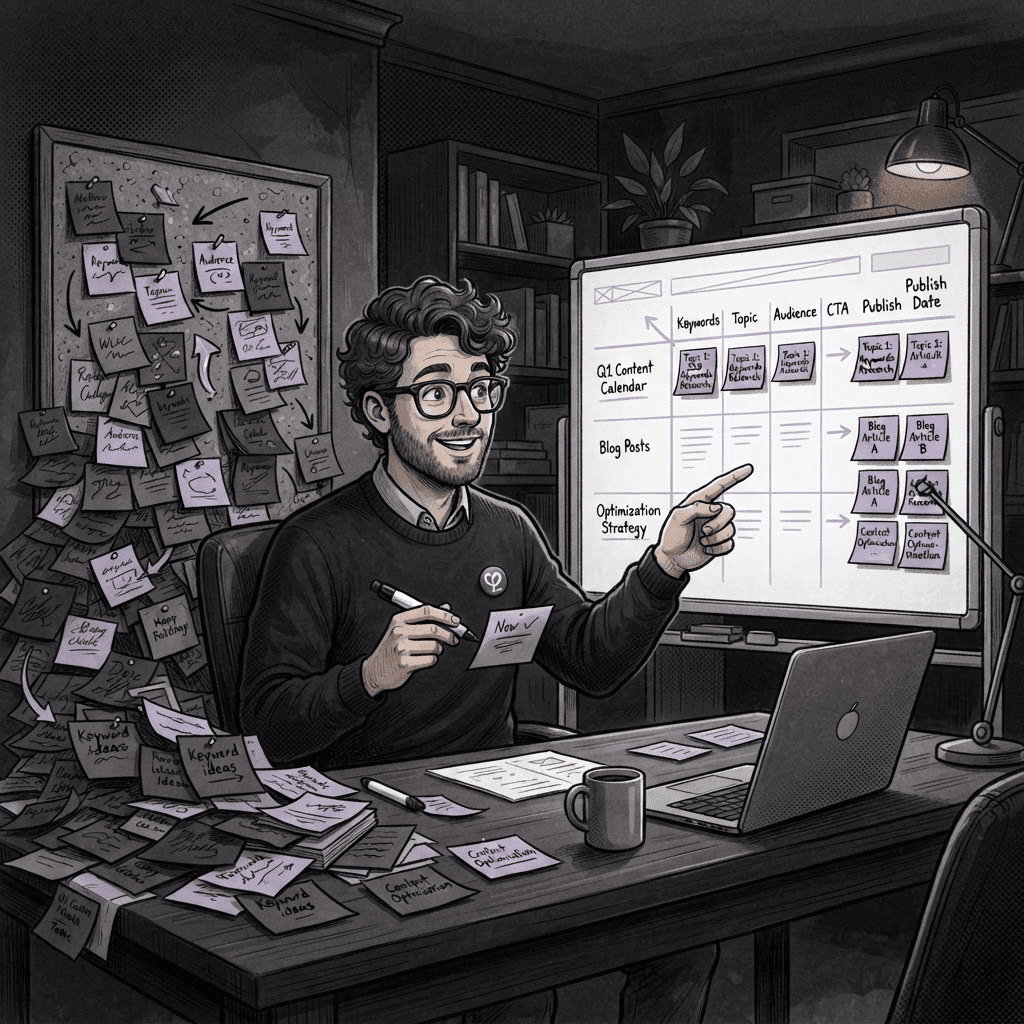
Concrete steps to follow
- Start a side project: It doesn’t have to be a full-fledged business. A blog, a YouTube channel, or even a crafty Instagram page can work wonders.
- Be yourself: Reflect your personality in your business communications. Toss aside the corporate speak. People prefer authentic conversations.
- Engage more: Use your side project as a platform to connect with your audience. Ask for feedback, run polls, invite discussion.
- Integrate with outreach: Infuse your findings and style from your side project back into your proposals and pitches. Make your interactions feel less transactional.
Key takeaway
Clients respond better to authenticity. Let your real self shine through, whether it's in a blog, an Instagram post, or a proposal. Side projects can lead to those golden client relationships you’ve been longing for.
FAQs
Can any side project help?
Absolutely! The key is passion. If it excites you, there's a good chance it'll resonate with others.
How do I find the time for a side project?
Start small. Dedicate just 30 minutes a week to it. You'll be surprised how much you can grow with a little consistency.
What if I find it hard to share my personality?
Practice makes perfect. Start with low-stakes interactions, like casual social media posts, and slowly build your confidence.
Feeling stuck might be your cue to explore the unexpected harbors of authenticity tucked within those side projects. Embrace the mess."

Tags