Why One Bold Redesign Cost Me a Client—and How I Recovered

Discover how a daring redesign led to losing a client and the lessons learned that paved the way for recovery and future success.
Written by Logan
OptiLeads editorial guide · Human-first SEO
Logan writes from the messy middle: the experiments that flopped, the lessons that took too long to learn, and the practical fixes that finally held up.
Why One Bold Redesign Cost Me a Client—and How I Recovered
What happened, summed up
In a misguided attempt to impress a client, I launched a bold redesign that made their site look like a neon carnival. Instead of gaining applause, I lost the client. The fix wasn’t a quick “let’s change the colors back”; it required a deep dive into understanding what they really valued in their web presence.
Then it hit me
One late-night scroll through the project folder led to a moment of pure confusion—it was like finding a sock in the fridge. I stared at the vibrant mockup I'd crafted, filled with flair and pizzazz. Then a sinking feeling crept in: I hadn’t checked in with the client about what their actual needs were. Instead, I’d gotten carried away, thinking creativity was my ticket to their hearts (and their wallets).
A Small Failure
It all began while I was sipping my third cup of coffee, relishing what I thought was a stroke of genius in redesigning a local restaurant's website. I wanted to infuse energy into their stale layout. My plan included bold fonts, vibrant colors, and an overly eager use of animation. I felt like Picasso—until the client saw it.
After the reveal, I could feel the room temperature drop faster than a lizard in winter. Their feedback was a mixture of awkward silence and polite grimaces. They appreciated my effort but were fundamentally uncomfortable with the drastic change. It was like serving a gourmet meal to someone who just wanted a simple burger.
The Wrong Fix
In my hubris, I thought I could simply revert to the old design and everything would be hunky-dory. I quickly put together a “revised” concept, which was just a safer version of my initial idea. I sent it over, proud as a peacock, expecting relief. Instead, the client was still hesitant. The trust was gone, and I was just as bewildered as before.
The Lesson
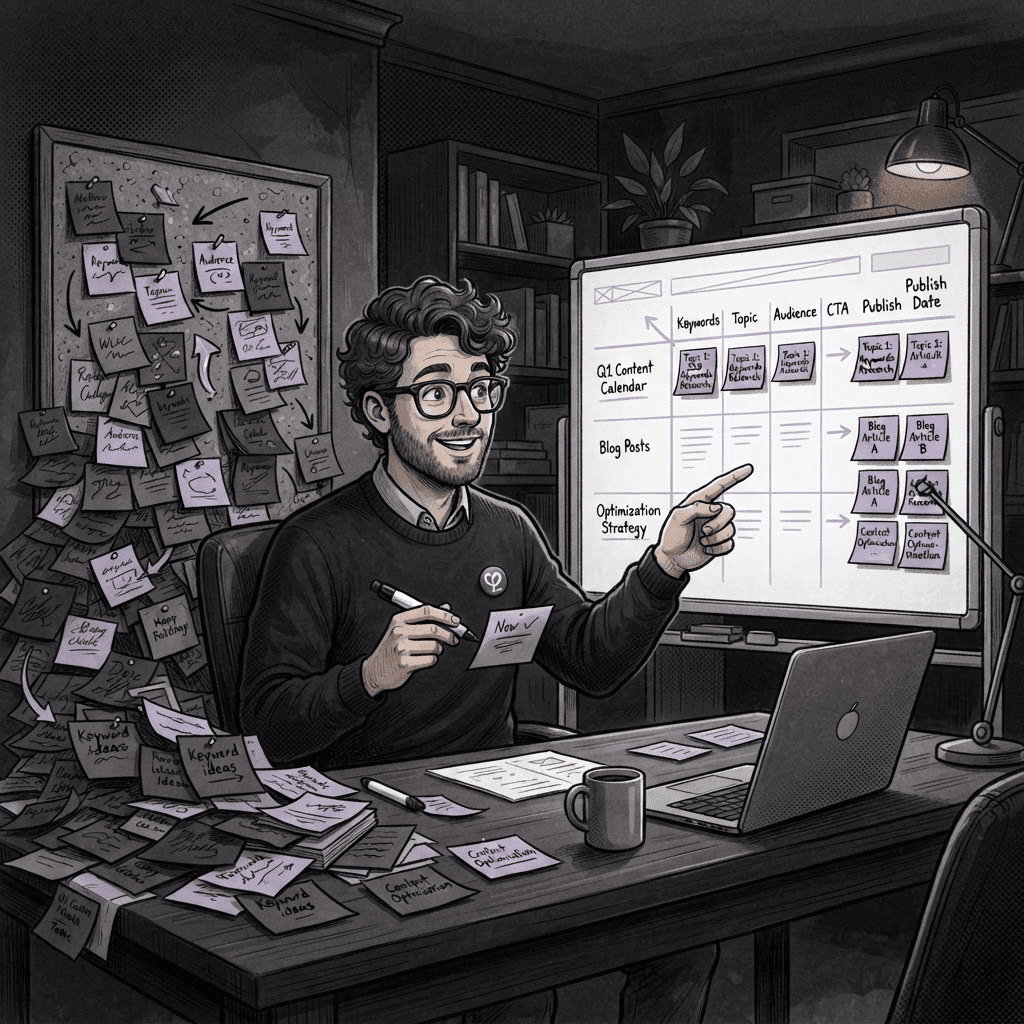
After a bit of sulking, I realized I needed to go back to the drawing board—only this time, I wouldn’t draw alone. I reached out to the client for a frank conversation about their real vision and needs. Here’s what I learned:
- Ask before you create: Understand client needs upfront, not just after the fact.
- Stay true to brand values: Design should align with the client's image, not just my artistic whims.
- Involve clients in the process: Keep clients in the loop, creating a sense of ownership in the project.
- Pace yourself: Start small. A bold redesign can evolve; don’t try to change everything at once.
The Path to Recovery
With this newfound perspective, I re-engaged with the client in a way that felt human and relatable. We scheduled a meeting to go through their aspirations for their web presence. To my surprise, they loved the idea of small, manageable updates that captured their essence without losing their identity. A revised strategy emerged, and we gradually implemented changes based on their feedback.
Before long, not only did we restore their trust, but the website led to more foot traffic and engagement than ever before. Sometimes, humility can be more effective than flamboyance.
Key Takeaway
It’s not about what you think looks good; it’s about what the client truly values. Take the time to ask.
FAQs
- How can I prevent this from happening again? Regular check-ins and feedback loops are key. Use tools like prototypes or wireframes to visualize ideas together.
- What should I do if a client isn’t happy with my design? Act quickly. Open the floor for feedback and encourage them to express their concerns. Collaboration can prevent misunderstandings.

Tags